Why Bother? A Galactic Road Trip Analogy
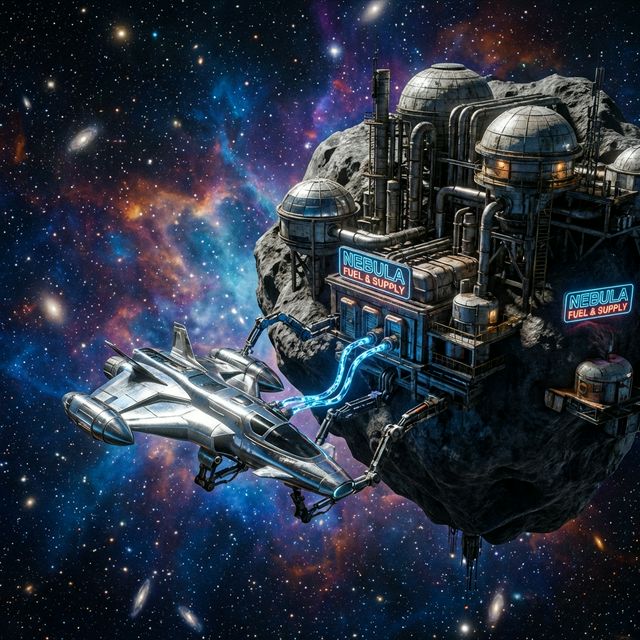
Hey there, space enthusiasts! Welcome back to our journey through the stars. If you watched Chapter 1, you now know asteroids are these cool, floating rocks left over from when our solar system was born—like scattered puzzle pieces orbiting the Sun, mostly chilling between Mars and Jupiter. Some are tiny like a car, others massive like a city. But why bother with them? Why not just stick to mining on Earth? Well, buckle up because this chapter is all about the big reasons to mine asteroids. We'll break it down simply, like chatting over coffee, using everyday examples and fun facts to keep things exciting. No fancy math or jargon—just real talk about how these space rocks could change everything. By the end, you'll see why asteroids aren't just junk; they're like recycling bins in the sky, full of treasures that could help us here on Earth and out in space.
Let's start with a quick hook: Imagine you're on a road trip across the country, but your car runs out of gas in the middle of nowhere. Instead of walking miles back to a station, what if there was a hidden stash of fuel right nearby? That's asteroid mining in a nutshell—tapping into resources that are already out there, floating around, instead of digging deeper into our planet's limited supplies. Sounds smart, right? Now, let's dive into the details.
What's Hiding in Those Space Rocks? The Treasure Hunt
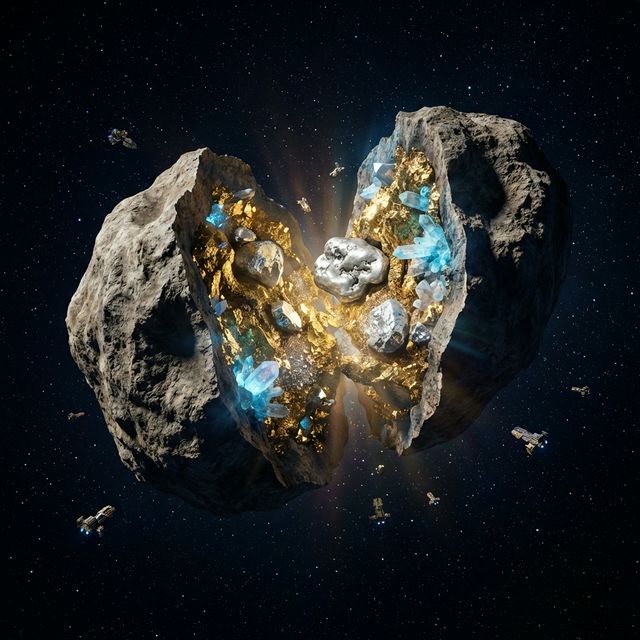
First off, asteroids are packed with valuables that make them worth the effort. Think of them as nature's storage units, holding stuff we use every day but are running low on Earth. The main goodies include:
Water: The Gold of Space
Yep, plain old H2O, but in space, it's gold! Some asteroids, especially the dark, carbon-rich ones (called C-types), have water locked in their rocks or as ice. It's like a wet sponge you can squeeze for liquid. Why care? Water isn't just for drinking—it can be split into hydrogen and oxygen using a simple zap of electricity (called electrolysis). That gives you rocket fuel! Imagine refueling your spaceship mid-journey without lugging extra tanks from Earth. Missions like Japan's Hayabusa2, which grabbed samples from asteroid Ryugu in 2019 and brought back over 5 grams in 2020, showed us real water-bearing materials. It cost about $300 million, but the insights? Priceless.
Metals for Building and Tech
Asteroids have tons of iron, nickel, and magnesium—perfect for constructing space stations or tools. Then there are the rare metals like platinum, gold, cobalt, and palladium. These are used in your phone's battery, jewelry, or even medical devices. On Earth, these sank to our planet's core billions of years ago, making them hard to get. But in asteroids? They're right on the surface! For example, a shiny metallic asteroid (M-type) about 1 kilometer wide could hold 30 million tons of nickel, 1.5 million tons of cobalt, and 7,500 tons of platinum—worth over $150 billion just for the platinum alone. Fun fact: Asteroid 16 Psyche is mostly metal and might contain enough nickel-iron to supply the world for millions of years. NASA's Psyche mission, launched in 2023, is heading there to check it out, arriving around 2029.
Organics and Other Surprises
Some asteroids have carbon-based compounds, like the building blocks of life. These could help with space farming (think fertilizer) or even studying how life started on Earth. It's like finding old family recipes in grandma's attic—full of history and potential.
To visualize this, here's a simple table summarizing what asteroids offer and why it's useful:
| Resource | Where It's Found (Asteroid Type) | Everyday Use | Space Twist |
|---|---|---|---|
| Water | C-type (carbon-rich, icy) | Drinking, cleaning | Split into fuel for rockets or oxygen to breathe |
| Iron/Nickel | S-type (stony) & M-type (metallic) | Building bridges, cars | Constructing space habitats or tools without shipping from Earth |
| Platinum/Gold/Cobalt | M-type (metallic) | Phones, jewelry, batteries | High-tech gadgets or selling back on Earth for big bucks |
| Organics | C-type | Fertilizer, food basics | Growing plants in space colonies or studying life's origins |
This table keeps it straightforward—no overload, just the essentials. See how asteroids complement each other? It's like a buffet where you pick what you need.
Earth's Resource Crunch: Why We Can't Keep Digging Forever
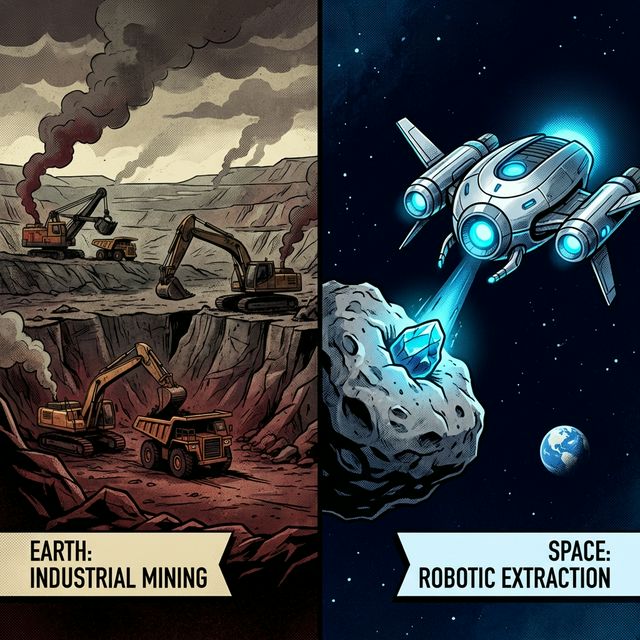
Now, why go to all this trouble? Because Earth isn't infinite. We've been mining for centuries, but supplies are dwindling. Take rare metals: We're using more cobalt for electric car batteries, but mining it on Earth often means polluting rivers or exploiting workers in places like the Democratic Republic of Congo, where child labor and accidents are real issues. Research shows we're running low on some metals because, during Earth's formation, they sank to the core—like heavy coins falling to the bottom of a piggy bank. Asteroids didn't have that melting process, so their treasures are easier to grab.
Common sense tells us: If your backyard garden is running out of veggies, why not check the neighbor's plot (space)? Asteroid mining could ease Earth's shortages, reducing the need for deep, dirty digs that release toxins like lead and arsenic into water. It's like recycling space trash into useful stuff, as we mentioned in the syllabus—turning "junk" into jobs and sustainability.
Saving the Planet: Environmental Wins
Environmentally, asteroid mining is a win-win. Traditional mining trashes landscapes—think scarred mountains and polluted water. In space? No ecosystems to harm, no people displaced. It could cut Earth's carbon footprint by outsourcing dirty work. Plus, it reduces inhumane practices in global mining. But there's a catch: We must avoid creating space junk or dust clouds that could affect orbits. Overall, it leans toward helping sustainability, with international rules like the Outer Space Treaty ensuring fairness.
Boosting Space Exploration: Fuel Stops in the Cosmos
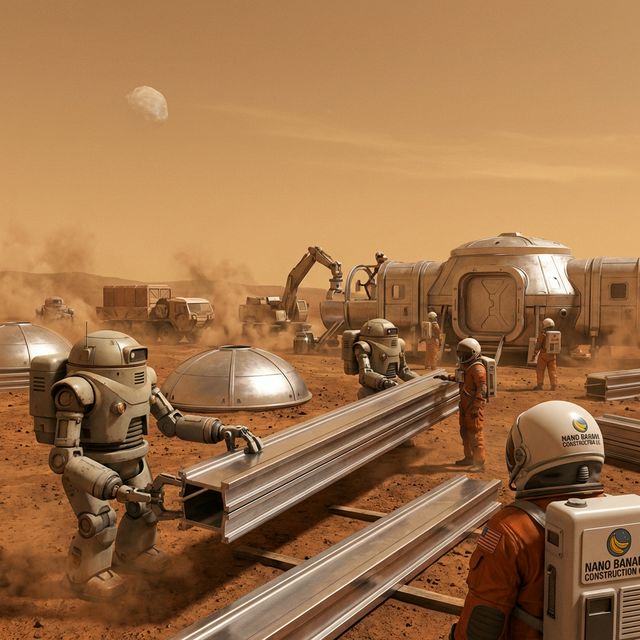
One of the coolest reasons? Asteroid mining makes space travel way easier. Right now, sending people to Mars is like planning a cross-country drive with no gas stations— you have to carry everything. But with asteroids, we can set up "fuel depots" in orbit. Water from asteroids can refuel spaceships, extend satellite lifespans (by adding propellant), or even shield against radiation (water blocks cosmic rays like a thick blanket).
Think about it: Building a Moon base? Use asteroid iron for structures instead of shipping it up, which costs a fortune (about $3 million per ton to orbit!). Or for Mars colonies, mine nearby asteroids or moons like Phobos for supplies. NASA's OSIRIS-REx mission grabbed 121 grams from asteroid Bennu in 2020 and returned it in 2023, proving we can touch and study these rocks up close. This isn't just theory; it's happening now, making long trips feasible and cheaper.
Fun analogy: It's like pioneers in the old West finding gold in streams—it funded their journeys further. Asteroid resources could do the same for space, enabling bigger adventures like space tourism or manufacturing (e.g., making perfect optical fibers in zero gravity, worth millions per kilo).
The Money Side: Trillions in the Sky?
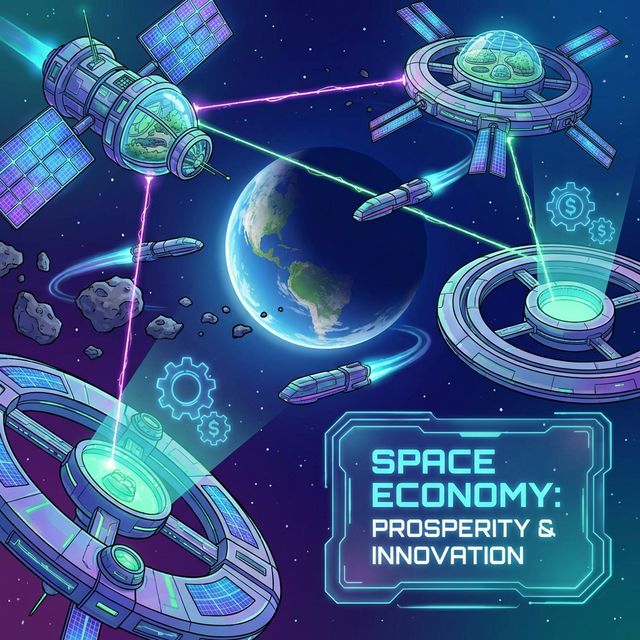
Economically, this is huge. Neil deGrasse Tyson once said the first trillionaire might be an asteroid miner. Why? The asteroid belt's minerals could be worth $100 billion per person on Earth! Just the top 10 easiest-to-reach asteroids might net $1.5 trillion in profits. A small 10-meter asteroid could have 50 kg of rare metals like platinum. Companies like Planetary Resources aimed to sell water as fuel in space, but even bringing metals back could flood markets—though experts say it'd stabilize prices, not crash them.
But it's not all about cash; profits could fund more exploration. Sell platinum on Earth, use the money for better rockets. Or build solar power satellites from asteroid materials for clean energy beams to Earth. Common sense: Start small with water (easy to extract), then scale to metals. Initial costs are billions, but reusable rockets like SpaceX's are dropping prices fast.
Science Bonanza & Strategic Smarts
Unlocking Cosmic Secrets
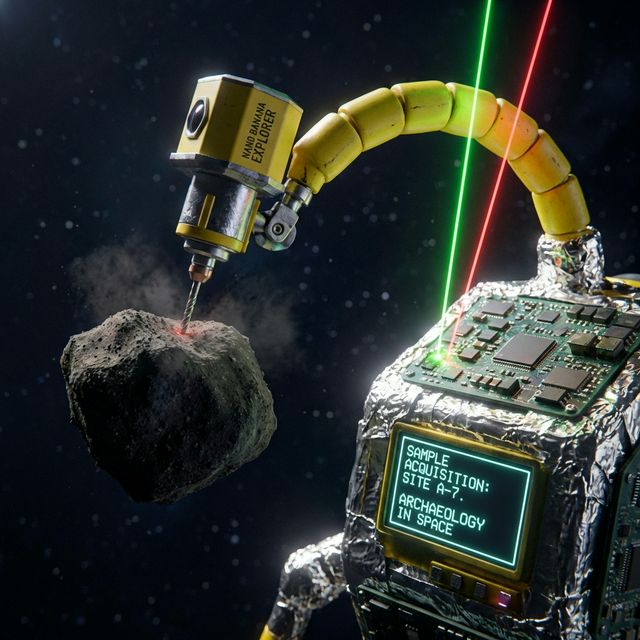
Scientifically, mining teaches us heaps. Asteroids are time capsules from 4.6 billion years ago, revealing how planets formed. Samples from Hayabusa2 found organics that might explain life's origins. Plus, mining data could help deflect dangerous asteroids—NASA's DART mission in 2022 tested this by smashing into one. It's like archaeology in space: Dig, learn, and protect Earth.
Strategic Independence
Strategically, it's about independence. Nations like the U.S. and Luxembourg are investing because controlling space resources means leading in space. It supports defense (e.g., better satellites) and global security by sharing benefits. In a world of resource wars, space offers peace through abundance.
Wrapping It Up: What's Next?
So, why mine asteroids? It's about solving Earth's problems, fueling dreams, and unlocking riches— all while being smart and sustainable. It's still early days, with missions like Tianwen-2 on the way, but the potential is stellar. Think about it: Recycling space trash into a brighter future. If this got you excited, stick around for Chapter 3, where we explore the types of asteroids and what they specifically offer.
Quick Quiz
Pause here and quiz yourself:
What's one resource from asteroids that could change space travel? (Hint: It rhymes with "daughter"!)
Click to reveal answer
Water!
Key Citations:

Santhosh M Kunthe
✉️ santhoshmkska@gmail.com
📞 +91 9110460837